
Asthma is a chronic respiratory condition that affects millions of people worldwide. Without proper management, it can lead to severe breathing difficulties and emergencies. That’s where an asthma action plan becomes essential.
An asthma action plan is a personalized, written strategy developed with your healthcare provider to help you control symptoms, avoid triggers, and respond quickly during asthma attacks.At MySpecialtyMD, we emphasize proactive care and personalized treatment plans to help patients live healthier, symptom-free lives.
What Is an Asthma Action Plan?
An asthma action plan is a step-by-step guide that outlines:
- Daily asthma management
- Medications and dosage
- Early warning signs of worsening asthma
- Emergency actions during an asthma attack
It is typically divided into three zones:
Green Zone (Well-Controlled)
- No symptoms
- Normal breathing
- Continue regular medications
Yellow Zone (Caution)
- Mild symptoms like coughing or wheezing
- Use quick-relief inhaler
- Monitor closely
Red Zone (Medical Emergency)
- Severe breathing difficulty
- Rescue medication required immediately
- Seek urgent medical care
What Are Asthma Symptoms?
Recognizing asthma symptoms early can prevent serious complications.
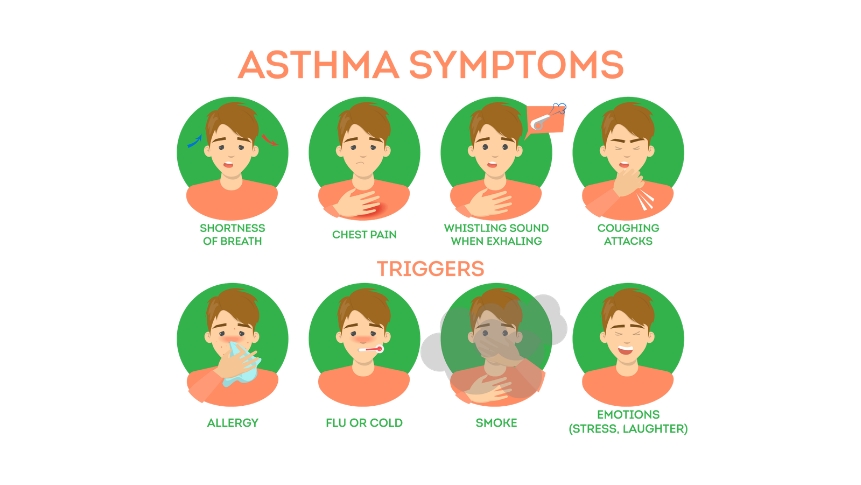
Common Asthma Symptoms
- Shortness of breath
- Wheezing
- Chest tightness
- Persistent coughing (especially at night)
Severe Symptoms (Asthma Exacerbation)
- Rapid breathing
- Difficulty speaking
- Bluish lips or face
- No relief from inhaler
These are signs of an asthma exacerbation and require immediate attention.
What Are the Symptoms of Asthma Exacerbations?
Asthma exacerbations (flare-ups) are episodes where symptoms suddenly worsen.
Key Signs Include:
- Increased use of rescue inhaler
- Reduced peak flow readings
- Severe wheezing and coughing
- Fatigue due to breathing difficulty
Early detection through an asthma action plan helps prevent hospital visits.
What Are Asthma Triggers? Gain Control
Asthma triggers vary from person to person. Identifying and avoiding them is crucial.
Common Asthma Triggers
- Dust mites
- Pollen
- Smoke and pollution
- Pet dander
- Cold air
- Respiratory infections
How to Control Triggers
- Use air purifiers
- Maintain clean indoor spaces
- Avoid smoking environments
- Monitor weather and pollen levels
Check daily air quality: https://www.aqi.in
What Are Asthma Management and Action Plans?
Asthma management involves long-term strategies to keep symptoms under control.
Core Components
- Regular medication use
- Monitoring symptoms
- Avoiding triggers
- Following an asthma action plan
An effective asthma management plan reduces emergency visits and improves quality of life.
What Are the Signs, Symptoms, and Triggers for Asthma?
Understanding the combination of symptoms and triggers helps in early intervention.
| Category | Examples |
| Symptoms | Wheezing, coughing, shortness of breath |
| Triggers | Dust, smoke, pollen |
| Warning Signs | Frequent inhaler use, night symptoms |
How Do Inhalers Prevent Asthma?
Inhalers are a key part of asthma treatment.
Types of Inhalers
Preventer Inhalers
- Reduce inflammation
- Used daily
Reliever Inhalers
- Provide quick relief
- Used during symptoms
How They Work
- Deliver medication directly to lungs
- Reduce airway inflammation
- Improve breathing quickly
Explore Asthma treatment options

Why You Need an Asthma Action Plan
Having an asthma action plan ensures:
- Early symptom detection
- Reduced hospital visits
- Better medication adherence
- Improved quality of life
It acts as a personal roadmap for managing asthma effectively.
When to See a Doctor
Seek medical help if:
- Symptoms worsen despite medication
- You frequently use a rescue inhaler
- Nighttime symptoms increase
- Daily activities are affected
Final Thoughts
An asthma action plan is not just a document, it’s a life-saving tool. By understanding symptoms, identifying triggers, and following a structured plan, you can take full control of your asthma.
At MySpecialtyMD, we are committed to helping you breathe easier with personalized care and expert guidance.


