
Ankle injuries are among the most common musculoskeletal problems, affecting people of all ages and activity levels. Whether caused by sports, sudden twists, or everyday movements, these injuries can significantly impact mobility and quality of life. Seeking the right ankle injuries treatment early is essential to reduce pain, restore function, and prevent long-term complications.
At My Specialty MD, patients receive comprehensive and personalized care for ankle conditions. From diagnosis to recovery, the focus is on delivering effective, non-surgical and advanced treatment options tailored to individual needs.

Understanding Different Types of Ankle Injuries
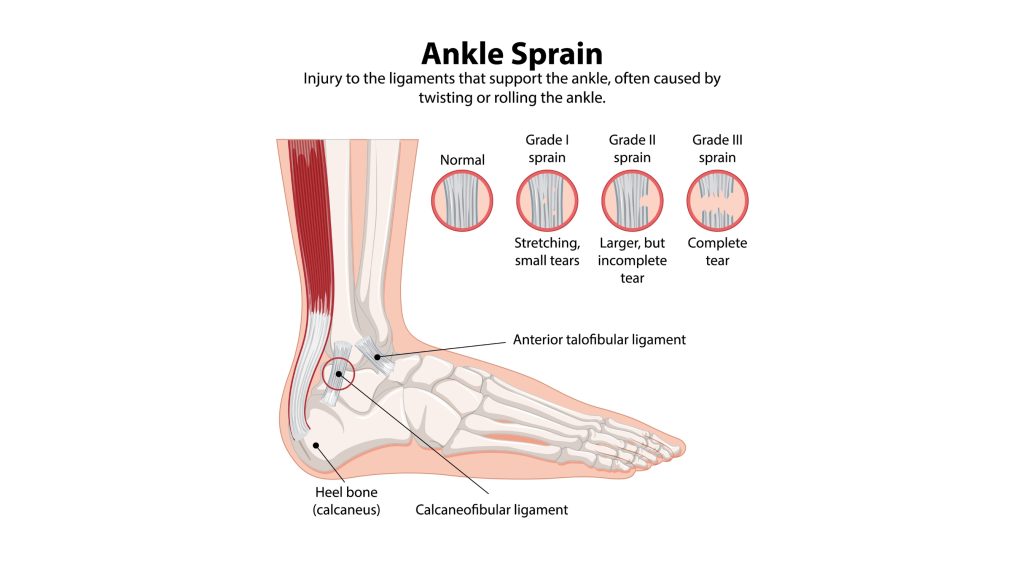
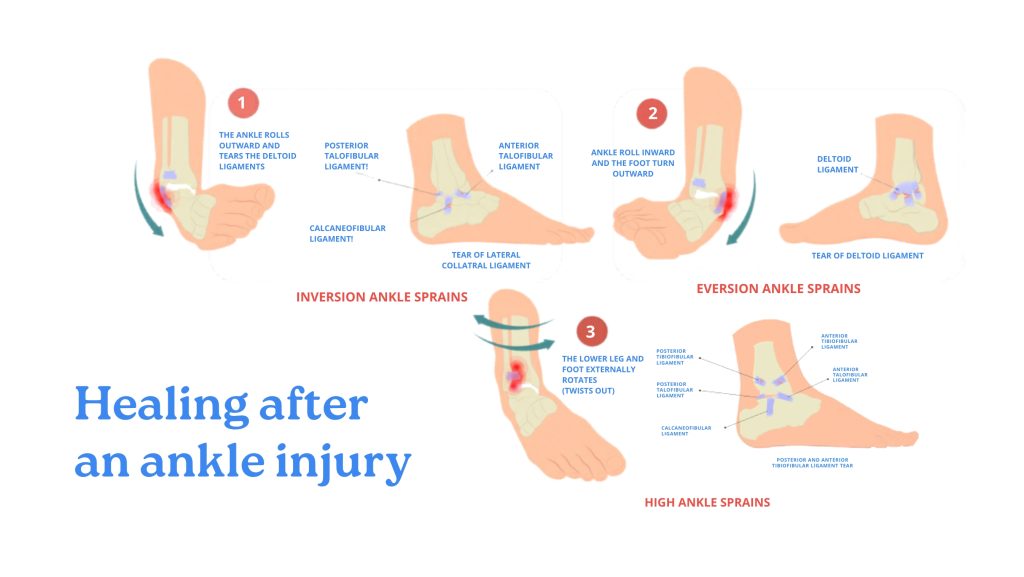
The ankle is a complex joint supported by ligaments, tendons, and bones, making it vulnerable to various injuries. A common issue is a sprain, where ligaments are overstretched or torn due to sudden movement. In some cases, patients may experience a high ankle sprain, which affects the ligaments above the joint and often requires a longer healing period.
More severe injuries include fractures, where one or more bones break under pressure or trauma. Proper ankle fracture treatment is necessary to ensure correct healing and avoid complications. Ligament tears, whether partial or complete, also require specialized attention to restore joint stability and function.
Early Management and the Importance of Timely Care
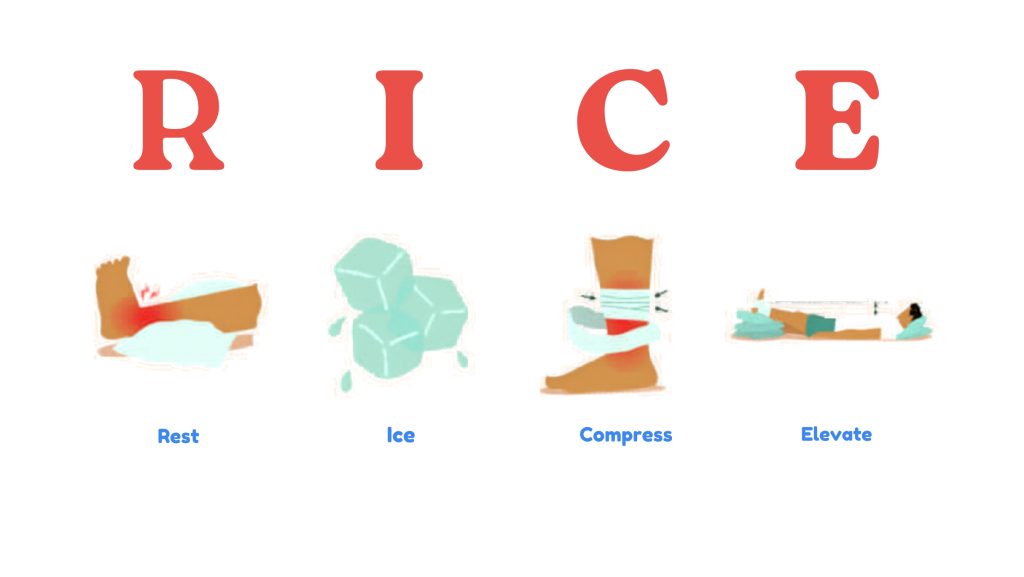
When an ankle injury occurs, immediate care plays a crucial role in recovery. Initial steps such as rest, ice application, compression, and elevation help control swelling and reduce pain. However, these measures alone are not enough for complete healing.
A structured and professional approach to ankle injuries treatment ensures that the injury is properly assessed and managed. Ignoring symptoms or returning to activity too soon can lead to chronic instability and repeated injuries.
The Role of Physiotherapy in Recovery
Recovery is not just about reducing pain—it is about restoring full function. Physiotherapy plays a key role in this process by improving flexibility, rebuilding strength, and enhancing balance. A well-designed rehabilitation program helps patients regain confidence in their movement.
For individuals recovering from sprains, structured ankle sprain treatment often includes gradual strengthening exercises and mobility training. At My Specialty MD’s ankle injury treatment center, personalized rehabilitation plans are created to ensure safe and effective recovery.
How Ligaments Heal and Ways to Support Recovery
Ligaments take longer to heal due to limited blood supply, making proper care essential. Supporting ankle ligament healing requires a combination of rest, controlled movement, and targeted therapies. Without proper rehabilitation, ligaments may heal weakly, increasing the risk of re-injury.
Advanced approaches, including regenerative treatments, are now being used to enhance healing. Nutrition, including adequate protein intake and vitamins, also contributes to tissue repair and recovery.
Advanced Treatment: PRP Therapy for Ankle Injuries
Modern medicine offers innovative solutions such as Platelet-Rich Plasma (PRP) therapy, which is gaining popularity for treating chronic ankle conditions. This treatment uses the patient’s own blood to promote natural healing and reduce inflammation.
PRP therapy is especially beneficial when traditional methods do not provide sufficient results. As part of advanced ankle injuries treatment, it helps accelerate recovery and improves overall outcomes for patients seeking non-surgical options.
Treating Ankle Fractures and Severe Injuries
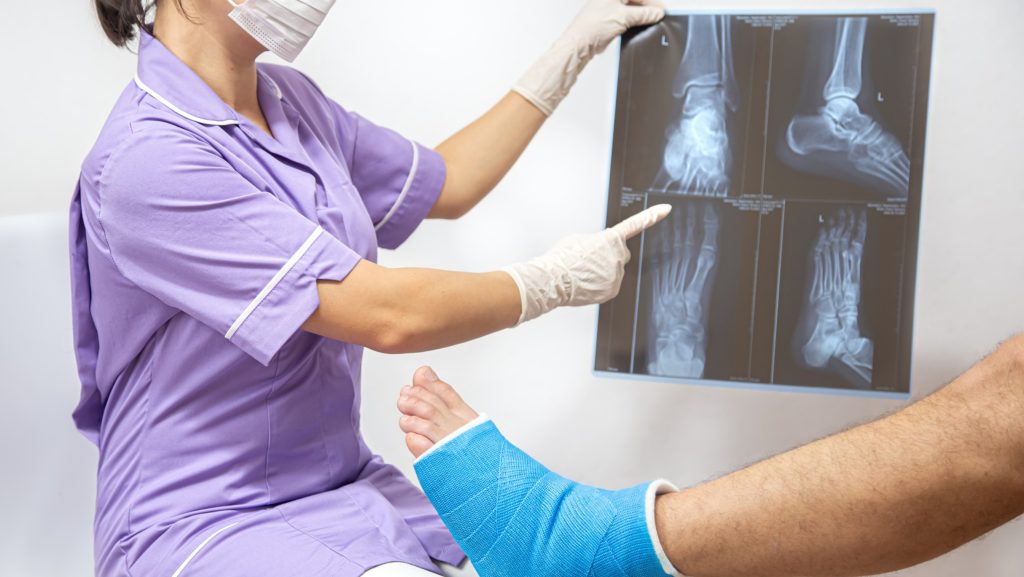
Fractures require careful evaluation and management. Mild cases can often be treated with immobilization using casts or braces, allowing the bones to heal naturally. However, severe fractures may need surgical intervention to stabilize the joint.
Effective ankle fracture treatment ensures proper alignment and healing, reducing the risk of long-term issues such as stiffness or arthritis. Recovery is typically followed by physiotherapy to restore strength and mobility.
Recovery Timeline and Long-Term Care
The time required for recovery varies depending on the severity of the injury. While mild sprains may heal within a few weeks, more serious conditions can take several months. Consistency in treatment and rehabilitation is key to achieving full recovery.
A well-planned ankle injuries treatment approach focuses not only on healing but also on preventing future injuries. Strengthening exercises, proper footwear, and lifestyle adjustments all contribute to long-term joint health.
When to Seek Medical Attention
Although some minor ankle injuries may improve with basic care, certain symptoms require medical evaluation. Persistent pain, swelling, difficulty walking, or instability should not be ignored. Early diagnosis allows for more effective treatment and helps prevent complications.
If you are experiencing ankle pain or injury, consulting a specialist at My Specialty MD can help you receive the right care at the right time.
Conclusion
Ankle injuries can interfere with daily life and physical activity if not treated properly. Whether dealing with a sprain, ligament tear, or fracture, choosing the right ankle injuries treatment is essential for a safe and complete recovery. With expert care, physiotherapy, and advanced treatments, patients can regain mobility and return to their normal routines with confidence.


