

Introduction
Back pain is one of the most common health complaints, but not all back pain is the same. Sometimes, what feels like a simple muscle strain could actually be a sign of a kidney problem.
Understanding the difference between back pain vs kidney pain is crucial because kidney-related issues may require urgent medical attention.
In this blog, we’ll break down the key differences between back pain vs kidney pain, including symptoms, causes, and when you should seek medical care.
Where Is the Pain Coming From?
Back Pain Location
- Usually felt in the lower back (lumbar region)
- Can spread to buttocks or legs
- Often related to muscles, joints, or spine
Kidney Pain Location
- Felt higher in the back, just below the ribs (flank area)
- Typically on one side
- May radiate to the abdomen or groin
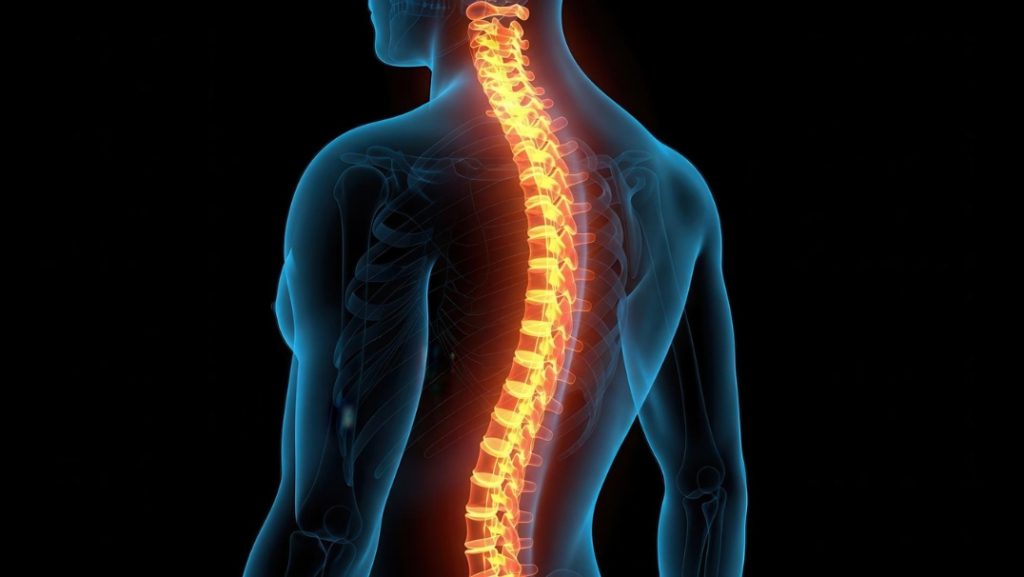
Key Differences Between Back Pain and Kidney Pain
| Feature | Back Pain | Kidney Pain |
| Location | Lower back | Side of back (under ribs) |
| Pain Type | Aching, stiffness | Deep, sharp, constant |
| Movement Effect | Worse with movement | No change with movement |
| Associated Symptoms | Muscle tightness | Fever, nausea, urinary issues |
| Radiation | Legs | Abdomen or groin |
How to Identify Back Pain
Back pain is usually caused by:
- Muscle strain
- Poor posture
- Sedentary lifestyle
- Herniated disc
- Injury or overuse
Common Symptoms
- Pain improves with rest or stretching
- Worsens with movement or lifting
- Muscle stiffness or spasms
In most cases, back pain is mechanical and not serious.

How to Identify Kidney Pain
Kidney pain is often caused by:
- Kidney infection (UTI spreading to kidneys)
- Kidney stones
- Kidney inflammation or disease
Common Symptoms
- Constant pain in the flank
- Fever and chills
- Nausea or vomiting
- Burning or pain during urination
- Blood in urine
Kidney pain does not improve with movement and often comes with other systemic symptoms.

5 Warning Signs It Might Be Kidney-Related
If your back pain is accompanied by any of the following, it could indicate a kidney problem:
- Fever or chills
- Blood in urine
- Frequent or painful urination
- Nausea or vomiting
- Pain that doesn’t change with movement
These are red flags, do not ignore them.
When Is Back Pain Likely Muscular?
Your pain is likely muscular if:
- It started after lifting heavy objects
- It improves with rest or massage
- It worsens with movement or posture
- No fever or urinary symptoms are present
When to See a Doctor
Seek medical help immediately if you experience:
- Severe or persistent pain
- Fever with back pain
- Blood in urine
- Difficulty urinating
- Pain spreading to abdomen or groin
Early diagnosis can prevent complications like kidney infections or damage
Diagnosis: How Doctors Identify the Cause
Doctors may use:
- Physical examination
- Urine tests (to detect infection or blood)
- Blood tests
- Imaging (Ultrasound, CT, MRI)
Treatment Options
For Back Pain
- Rest and physiotherapy
- Pain relief medications
- Heat/cold therapy
- Posture correction
For Kidney Problems
- Antibiotics (for infections)
- Hydration therapy
- Pain management
- Procedures for kidney stones
Conclusion
While back pain vs kidney pain may feel similar at first, back pain is usually harmless and related to muscles or posture, whereas kidney pain can signal serious conditions like infections or stones.
The key differences between back pain vs kidney pain lie in:
Location
Pain behaviour
Associated symptoms
If your pain feels unusual or is accompanied by warning signs, don’t delay, consult a healthcare provider.
At MySpecialtyMD, our experienced physicians provide accurate diagnosis and personalized care for both back pain vs kidney pain conditions.
Book your consultation today and get the right treatment at the right time.


