
High cholesterol is often called a “silent condition” because it typically shows no obvious symptoms. Many people are unaware of it until it leads to serious complications like heart disease or stroke.
Understanding the early warning signs and risk factors can help prevent long-term health issues.
In this guide, you’ll learn:
- How to identify high cholesterol
- Common and lesser-known symptoms
- Its impact on heart health
- When to take action
How to Know If You Have High Cholesterol?
The only reliable way is through a blood test (lipid profile).
Ways to detect it:
- Routine health checkups
- Screening after age 30
- Testing if risk factors are present
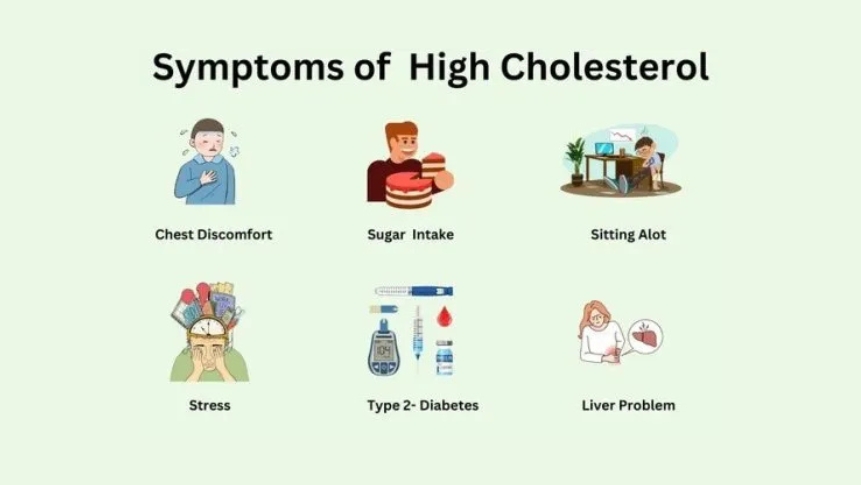
Common risk factors:
- Poor diet
- Lack of exercise
- Obesity
- Smoking
- Family history
How Does High Cholesterol Affect the Heart?
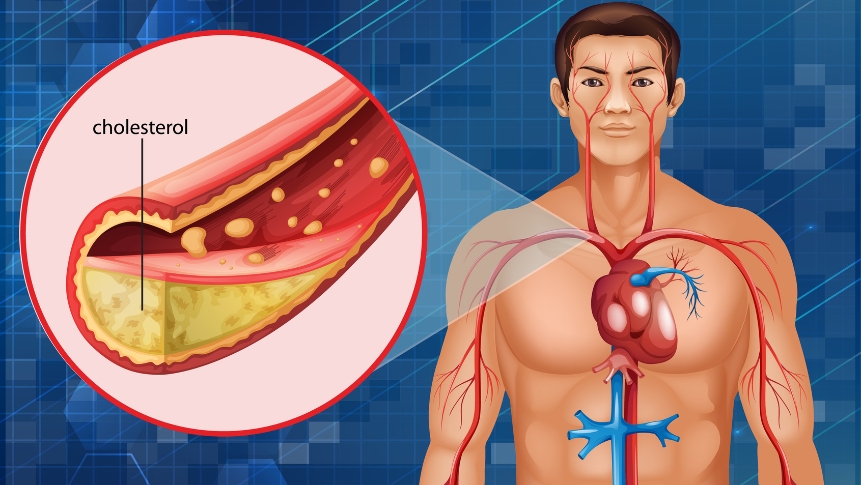
High cholesterol causes plaque buildup in arteries, a condition called atherosclerosis.
What happens:
- Arteries become narrow
- Blood flow is restricted
- Heart works harder
- Risk of heart disease increases
Possible outcomes:
- Coronary artery disease
- Chest pain (angina)
- Heart failure
Does High Cholesterol Cause a Heart Attack or Stroke?
Yes, according to WHO high cholesterol is a major contributing factor.
When plaque breaks:
- Blood clots can form
- Block blood flow to the heart → heart attack
- Block blood flow to the brain → stroke
Warning signs of complications:
- Sudden chest pain
- Difficulty breathing
- Weakness on one side of the body
- Slurred speech
What Are the Symptoms of High Cholesterol?
High cholesterol itself often has no symptoms, but certain visible and physical signs may indicate elevated levels.
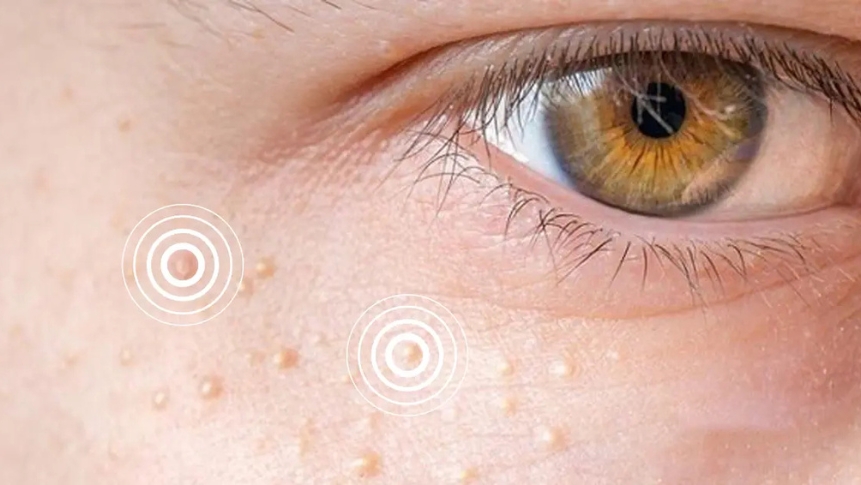
1. Yellowish Deposits Around Eyes (Xanthelasma)
- Yellow patches near eyelids
- Caused by fat buildup under the skin
2. Gray Ring Around the Cornea (Arcus Senilis)
- White or gray ring around the eye
- May indicate high cholesterol levels
3. Tingling or Numbness in Hands and Feet
- Caused by reduced blood flow
- Often overlooked
4. Chest Pain or Discomfort
- Occurs due to narrowed arteries
- May be mistaken for acidity or indigestion
5. Fatigue and Shortness of Breath
- Reduced oxygen supply to tissues
- Early indicator of cardiovascular strain
What Are Some Lesser-Known Signs of High Cholesterol?
Some subtle signs include:
- Leg pain during walking
- Cold extremities
- Slow healing of wounds
- Frequent dizziness
- Elevated blood pressure
What Are the Signs of Increasing Cholesterol Levels?
High cholesterol develops gradually, but some indicators include:
- Weight gain
- Increased waist size
- High triglyceride levels
- Rising blood pressure
What Are the 5 Warning Signs of High Cholesterol?
Here are five possible warning signs:
- Yellow patches around eyes
- Chest discomfort
- Tingling in hands and feet
- Shortness of breath
- Persistent fatigue
Is a Cholesterol Level of 250 High?
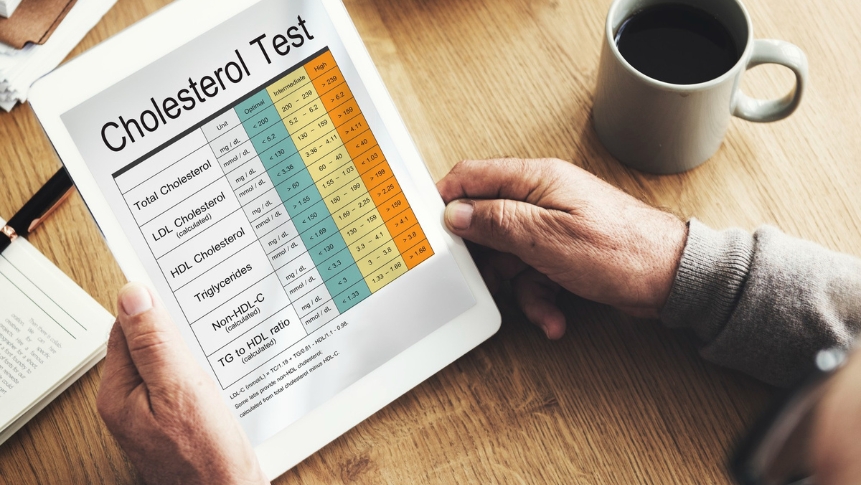
👉 Yes, a total cholesterol level of 250 mg/dL is considered high.
Reference levels:
- Normal: Below 200
- Borderline: 200–239
- High: 240 and above
Liver & Cholesterol: Is There a Link?
The liver plays a key role in cholesterol production.
Issues with liver function can lead to:
- Fatty liver disease
- Elevated cholesterol levels
- Metabolic imbalance
How to Prevent High Cholesterol

Lifestyle changes:
- Eat a balanced, fiber-rich diet
- Exercise regularly
- Avoid trans fats
- Quit smoking
- Manage stress3
Medical management:
- Regular screening
- Medications if prescribed


